The Educational Significance of Field Trips: Enhancing Learning Beyond the Classroom
Field trips are an essential component of the educational experience that allows students to break away from the traditional classroom setting and immerse themselves in real-world environments. These excursions provide a unique opportunity for learners to engage actively with their subject matter, fostering deeper understanding and retention of knowledge. Beyond academics, field trips also promote social skills, cultural awareness, and personal growth, making them invaluable in holistic education.
What Is a Field Trip?
A field trip is an organized outing by a school or educational institution during which students visit places outside the school premises to gain practical knowledge and experience related to their curriculum. These trips can range from visits to museums, historical landmarks, science centers, zoos, botanical gardens, factories, farms, theaters, and even natural habitats. The goal is to provide experiential learning opportunities that complement theoretical instruction.
The Academic Benefits of Field Trips
One of the most significant advantages of field trips is their ability to enhance academic learning. Classroom teaching, no matter how well-delivered, often relies heavily on textbooks, lectures, and visual aids. While these methods are foundational, they cannot always provide the tangible experience necessary to fully grasp certain concepts.
For example, a biology lesson on ecosystems can be abstract when confined to pictures and diagrams. However, visiting a nature reserve or botanical garden allows students to see plant and animal life in action, observe ecological interactions firsthand, and appreciate biodiversity on a deeper level. This sensory engagement makes learning more vivid and memorable.
Similarly, history lessons about ancient civilizations or cultural heritage become more impactful when students visit museums or historical sites. Seeing artifacts, architecture, and art pieces helps them connect emotionally and intellectually with the past, turning abstract dates and names into tangible stories.
Field trips also encourage active participation. Students are often required to observe, ask questions, conduct simple experiments, or complete worksheets during these visits. This involvement promotes critical thinking and inquiry-based learning, where students analyze information and draw conclusions independently rather than passively receiving facts.
Social and Emotional Development
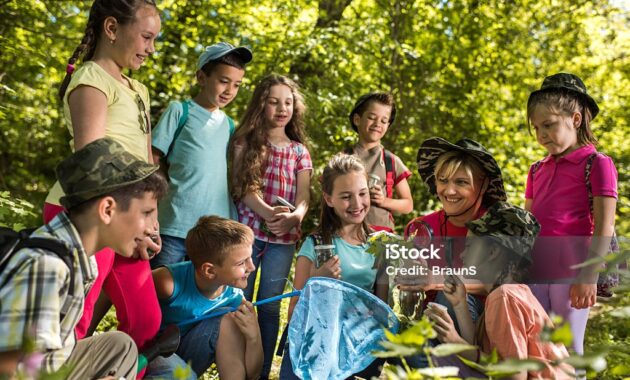
Field trips are not just about academic enrichment; they also play a vital role in social and emotional development. Traveling and exploring new environments together help students develop interpersonal skills such as teamwork, communication, and cooperation. Group activities during trips require students to share responsibilities, listen to one another, and resolve conflicts, which builds their social competence.
Moreover, field trips expose students to diverse cultures and communities, broadening their perspectives and fostering empathy. For example, visiting a cultural center or community project allows students to learn about different ways of life, traditions, and challenges faced by others. This exposure can cultivate respect for diversity and a sense of global citizenship.
Emotional growth is also supported during field trips. Students often face new experiences that may challenge their comfort zones, encouraging resilience, adaptability, and confidence. Overcoming such challenges with peers and teachers builds trust and self-esteem.
Practical Skills and Real-World Connections
Field trips provide opportunities for students to develop practical skills that are not always addressed in the classroom. Navigating transportation, reading maps, managing time, and following safety guidelines are all life skills that students practice during excursions.
Additionally, field trips help students make real-world connections to their academic subjects. For example, visiting a factory or a farm can illustrate economic principles, production processes, and environmental issues in a way that textbooks cannot. Meeting professionals and seeing career options firsthand can inspire students and help them envision future paths.
Planning and Safety Considerations
To maximize the benefits of field trips, careful planning and safety measures are essential. Educators must choose destinations that align with curriculum objectives and are age-appropriate for the students. Pre-trip preparation, such as briefing students on what to expect, assigning tasks, and discussing behavioral expectations, helps ensure a smooth experience.
Safety is paramount. Teachers and chaperones should maintain a suitable student-to-adult ratio, carry emergency contact information, and have first-aid supplies on hand. Clear rules about staying with the group and respecting the environment must be communicated and enforced.
Challenges and Solutions
While field trips offer numerous benefits, they also come with challenges. Budget constraints, transportation logistics, and scheduling conflicts can limit opportunities. Some students may have special needs or anxieties about leaving familiar settings.
Schools can address these challenges by seeking community partnerships, grants, or fundraising to support trips. Virtual field trips using technology can also be a valuable alternative when physical excursions are not feasible. Inclusive planning ensures all students can participate comfortably.
Conclusion
Field trips are a powerful educational tool that enriches learning by bringing the curriculum to life outside the classroom. They foster academic achievement through experiential learning, support social and emotional development, and help students acquire practical skills. By connecting theory to real-world contexts, field trips inspire curiosity, broaden perspectives, and contribute to well-rounded personal growth.
As education continues to evolve, integrating field trips into teaching strategies remains vital. They remind us that learning is not confined to textbooks or screens but happens most profoundly when students engage directly with the world around them.
